Infertility Treatment – Before treating infertile couple, it is very important that both are evaluated thoroughly. A detailed menstrual history, sexual history and through examination of both the couples are mandatory. Statistics say that about eighty percent of the couple that approach for infertility treatment can be treated by counselling alone and it is only twenty percent of them that require some form of infertility treatment. Even in this category only less than ten percent will require higher modality of infertility treatment like IVF (In Vitro Fertilization) or ICSI (Intra Cytoplasmic Sperm Injection)

Fallopian tubes carry eggs from the ovaries to the uterus, if damaged; it prevents the contact between the egg and the sperm. Some important diseases and surgeries such as – pelvic infections, endometriosis, and pelvic surgeries may lead to scar formation and can damage the fallopian tube as well.
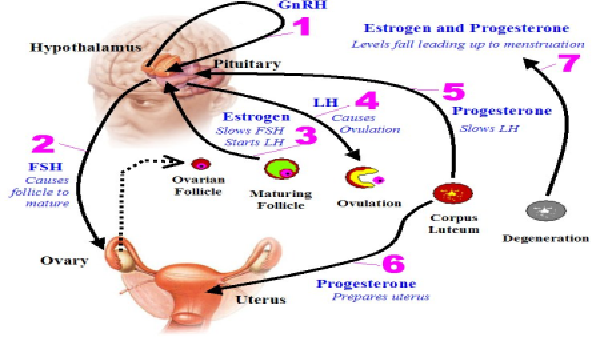
Many women suffer from various problems during ovulation, the most common being when the release of an egg from the ovary and thickening of the endometrium (lining of the uterus) in the preparation for the fertilized egg do not occur. The problems may be detected using body temperature charts, ovulation predictor kits and blood tests to detect hormone levels.
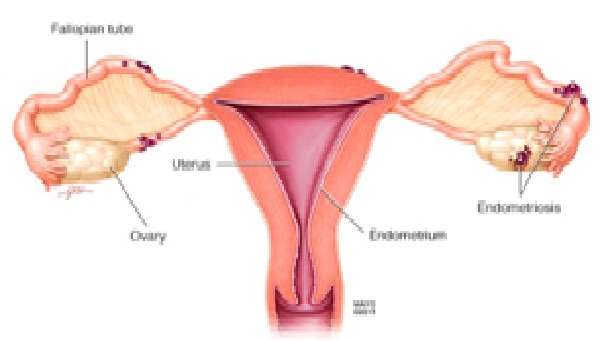
It occurs when the endometrial tissue implants and grows outside of the uterus, affecting the function of the ovaries, uterus, and fallopian tubes, as a result, leads to pregnancy complications and is one of the major female infertility causes..

Some women have a cervical condition in which the sperm cannot pass through the cervical canal. This is because of the production of mucus or a previous surgical procedure performed on that area cause blockage.

It is a condition caused by imbalanced hormones in the reproductive system of females resulting in the decrease in the egg production and thus reduces the chance of getting pregnant.

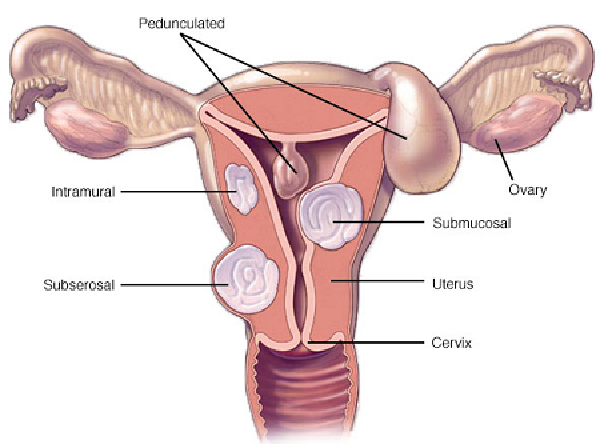
In this case, the structure of the uterus is not hospitable for the fetus. This is caused by the presence of Polyps and fibroids. Uterine fibroids are noncancerous lumps that develop in or outside a woman’s uterus (womb) and infertility in women.

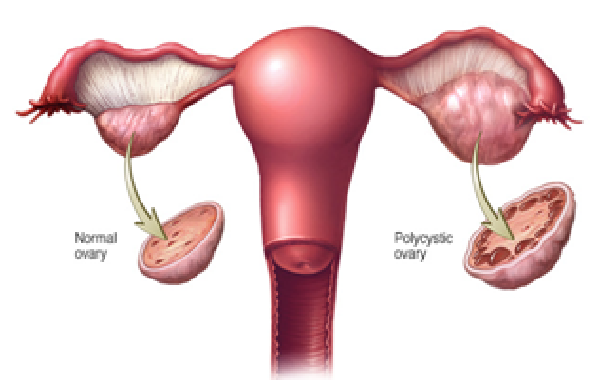
Several blood tests are helpful in detecting a number of potential causes of infertility such as abnormal hormonal levels, presence of cystic ovaries, cervical problems, etc.

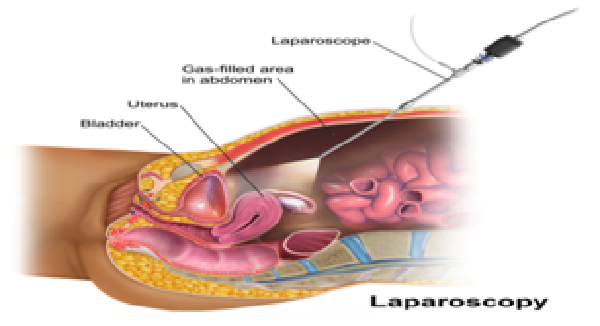
This procedure involves looking at the outside lining of the uterus, ovaries, and fallopian tube by inserting a fiber-optic camera attached to a thin tube through an incision near the belly button. Laparoscopy helps doctors to look for abnormal growth in the pelvic region especially in the case of endometriosis which is caused due to the formation of endometriotic tissues in other parts of the body.

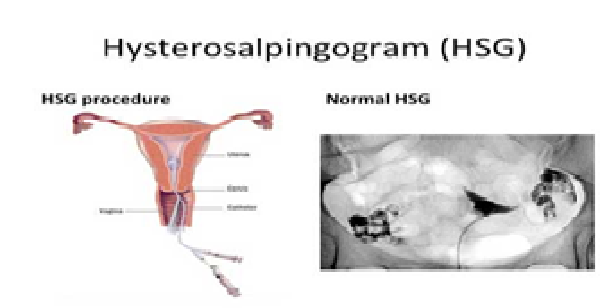
An HSG involves inserting a dye or saline into the cervix through X- ray or ultrasound in order to check the blockage of the fallopian tubes.
Assisted Reproductive Technology or ART:
It is one of the best-known treatment options available. This technology is performed through the combination of fertility drugs and hormonal therapy. Other types of tests include gamete intra- fallopian transfer, In Vitro fertilization, intrauterine insemination, and zygote intrafallopian transfer.
Medical therapy:
Special drugs can be given to women facing problems with ovulation. Gonadotropins are also used in case of unexplained infertility
Intrauterine insemination
It is another procedure which uses a small amount of concentred sperm cells. This is a painless process and takes few minutes to accomplish..
In vitro Fertilization
Aspiration of one or more oocytes from ovarian follicles, fertilization in vitro, and then transfer of the embryo(s) into the uterus. this is the procedure using assisted reproductive technology.
Intra Cytoplasmic Sperm Injection
Is a specialized technique for couples with severe sperm abnormalities. it is performed in conjunction with ivf whereby fertilization is accomplished by injecting a single sperm directly into the egg..
How is male infertility diagnosed?
Potential male infertility will be assessed as part of a thorough physical examination. The examination will include a medical history regarding potential contributing factors.
SJFC IVF provides a wide variety of male infertility treatments (with the help of them lots of couples have got their own child). Few treatments are given below like:-
PESA
PESA (percutaneous epididymal sperm aspiration) is a method, performed under local anesthesia, which involves extracting sperm with a fine needle from The epididymis or testes. The sperm is then implanted into the egg through the process of ICSI (Intracytoplasmic Sperm Injection) to be used in IVF.
TESA & TESE
In cases where the epididymis does not contain any sperm, because of impaired sperm production, the method of TESA (Testicular Sperm Aspiration) or TESE (Testicular Sperm Extraction) may be used. TESE involves a surgical biopsy of the testis, while TESA is performed by sticking a needle into the testis and aspirating fluid and tissue with negative pressure.
Sperm Injection (ICSI).
The aspiration is a brief outpatient procedure requiring only mild sedation. Most sperm aspiration procedures are performed at our centre
Egg donation
Is the process by which a woman donates oocytes to enable another woman to conceive as part of an assisted reproduction treatment or for biomedical research. For assisted reproduction purposes, egg donation typically involves in vitro fertilization technology, with the eggs being fertilized in the laboratory Egg donation is a third party reproduction as part of assisted reproductive technology (ART).
Sperm Donation
Donated sperm is offered to couples where there is no possibility of retrieving sperms naturally or by a surgical procedure for a man. The donor sperm is used to either inseminate the woman (IUI) or to fertilise her eggs in an IVF process. As is obvious, the couple is counselled together about the implications and process involved in such a treatment